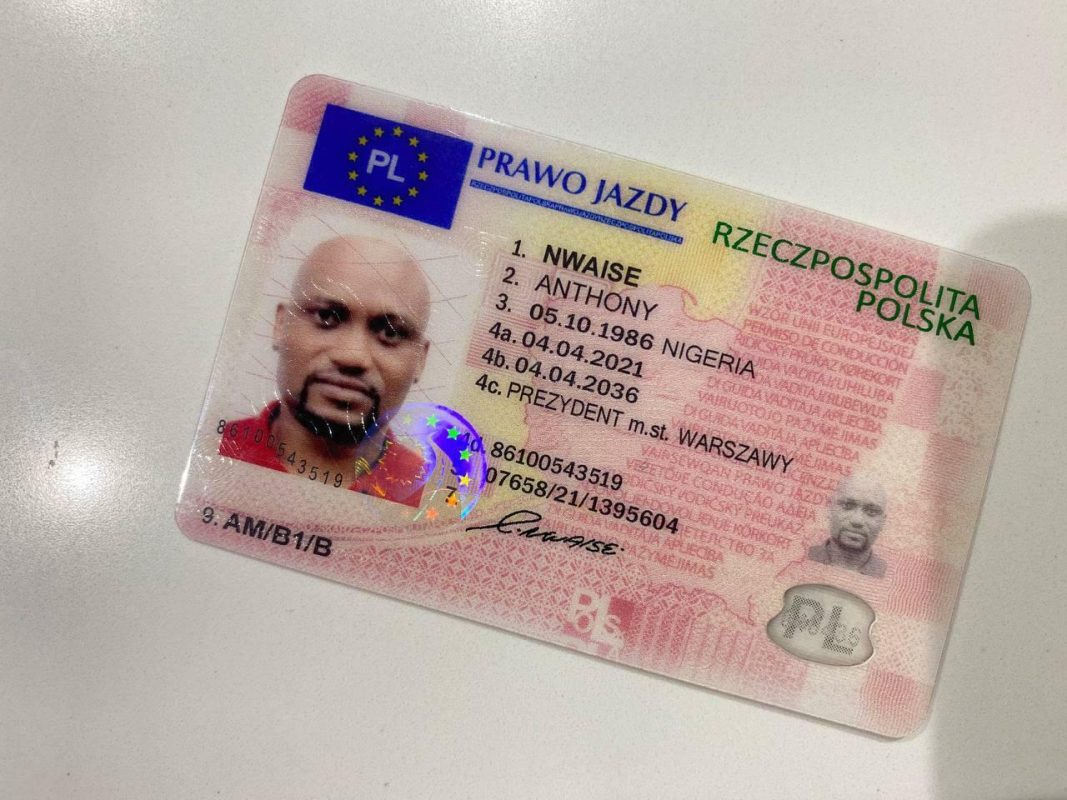
The Most Significant Issue With Driving License Without Tests And How You Can Resolve It
The Elusive License: Examining the Idea of a Driving License Without Tests
The right to drive is a benefit, not an offered. This understanding is deeply deep-rooted in the majority of societies, mostly due to the fact that the operation of an automobile brings substantial duty and prospective threat. To ensure roadway security and the competency of those behind the wheel, the huge majority of nations around the world mandate rigorous screening treatments for striving motorists. These tests, including both theoretical understanding and useful driving skills, act as a crucial gatekeeper, separating capable people from those who may posture a threat on public roadways.
Nevertheless, the concept of obtaining a driving license “without tests” periodically surface areas in conversations, often sustained by frustration with the screening procedure, viewed administrative obstacles, or perhaps a desire for a simpler path to driving liberty. While the idea might sound attracting some, the truth of obtaining a lawfully valid driving license without going through any kind of evaluation is, in many developed systems, extremely uncommon and usually not suggested.
This post delves into the principle of acquiring a driving license without tests, examining why this is typically not practical or accountable, checking out the need of driving tests, and discussing any exceptional situations where the perceived rigor of screening might seem lowered or customized within legal frameworks. It is important to comprehend that circumventing vital security treatments is not only possibly illegal however also harmful to general roadway security and public well-being.
The Standard Route: Driving License Acquisition Through Tests
Before talking about the exceptions or nuances, it's essential to describe the standard pathway to acquiring a driving license in many nations. This process universally involves two main forms of evaluation:
- The Theory Test (Knowledge Test): This test examines a candidate's understanding of traffic laws, road indications, safe driving practices, vehicle maintenance, and emergency procedures. It's normally carried out through composed examinations, multiple-choice questions, or computer-based tests. Passing this test demonstrates that the candidate possesses the required theoretical understanding to run a car safely and legally.
- The Practical Driving Test (Skills Test): This is the hands-on assessment of a candidate's driving capability. Performed by a qualified inspector, it evaluates the person's skill in managing the lorry, browsing numerous road conditions, performing maneuvers (like parking, turns, and lane modifications), and demonstrating safe and accountable driving habits. This test guarantees that the applicant can use their theoretical knowledge in real-world driving situations.
These tests are not arbitrary difficulties; they serve numerous critical functions that are basic to roadway security:
- Ensuring Competency: Tests validate that drivers possess the minimum level of skill and understanding required to operate an automobile securely. This reduces the possibility of mishaps brought on by motorist error or lack of experience.
- Standardizing Driving Skills: By establishing universal testing requirements, licensing authorities guarantee a consistent level of driving proficiency throughout the chauffeur population. kupić prawo jazdy online is crucial for foreseeable and safe road usage.
- Promoting Road Safety Awareness: The procedure of studying for and carrying out these tests informs prospective drivers about traffic laws, security treatments, and responsible driving habits, contributing to a culture of roadway safety.
- Lowering Accidents and Fatalities: By filtering out possibly hazardous drivers through testing, licensing systems aim to reduce roadway accidents, injuries, and fatalities, safeguarding both motorists and other road users.
- Keeping Public Trust: Rigorous screening imparts public confidence in the licensing system and guarantees citizens that motorists on the roadway have actually met a minimum requirement of competence.
Provided these critical functions, it becomes apparent why bypassing driving tests completely is generally not a permissible or responsible proposition within recognized and reputable licensing structures.
Are There Circumstances Where Testing Seems Reduced or Modified?
While the concept of a license “without tests” in the truest sense is highly not likely, there might be specific scenarios where the perception of lowered testing emerges. It's important to clarify that these circumstances usually involve customized or alternative evaluation methods instead of a total lack of evaluation.
Here are some situations where the screening procedure may appear less strenuous or different from the standard preliminary licensing procedure:
- License Transfers and Reciprocity Agreements: Many nations have contracts with each other that permit the transfer of a driving license from one jurisdiction to another with very little or streamlined procedures. For example, if somebody relocations from one state or province to another within the very same nation, or sometimes even between countries with mutual agreements, they might be able to exchange their existing license without going through the complete initial screening once again. Nevertheless, this is predicated on the fact that the individual has actually already successfully passed driving tests in their initial jurisdiction. It's not a loophole to bypass testing totally; it's a recognition of prior skills.
- Upgrading Licenses for Different Vehicle Categories: Once a motorist holds a basic license (e.g., for cars and trucks), updating to licenses for larger lorries like trucks or bikes normally requires additional tests, but these tests may focus specifically on the skills and understanding essential to the brand-new vehicle classification. The fundamental driving proficiency developed through the initial license is typically presumed. The subsequent tests are still vital for making sure proficiency in operating the brand-new, typically more complex or bigger, vehicle types.
- License Renewals (Depending on Jurisdiction): In some jurisdictions, the license renewal procedure may not include a full re-test of driving skills, especially for more youthful motorists without a history of traffic infractions. Nevertheless, this is typically accompanied by compulsory eye tests and, in many cases, understanding re-tests, particularly for older drivers. While the useful driving test might be waived in routine renewals, the underlying principle of ensuring continued fitness to drive remains. For older motorists, there's an increasing pattern to implement more frequent or thorough renewals, possibly consisting of fitness or cognitive evaluations, acknowledging the age-related modifications in driving abilities.
- Extensive Driving Courses with “Guaranteed Tests”: Some driving schools offer intensive courses that culminate in a useful driving test, sometimes marketed with language that may imply a “guaranteed pass.” It's vital to comprehend that these are not licenses without tests. Instead, these courses are created to effectively prepare students for the official driving test, increasing their opportunities of success. The test itself stays an obligatory and independent evaluation conducted by the licensing authority, not by the driving school.
- Specialized Licensing for Specific Circumstances (Rare and Highly Regulated): In extremely rare and specific scenarios, there might be provisions for people with remarkable needs (e.g., those living in really remote areas with limited screening facilities) where alternative evaluation methods are thought about. However, these would be extremely controlled, most likely include some type of useful examination, and definitely not make up a blanket waiver of all testing requirements. Such exceptions, if they exist, are developed to resolve authentic gain access to barriers, not to prevent security standards.
It is vital to stress that none of these circumstances really correspond to acquiring a driving license “without tests.” They represent variations in the type, frequency, or transferability of testing within a structure that essentially relies on assessment to make sure motorist proficiency. The core principle of showing driving capability and knowledge through testing stays the cornerstone of responsible licensing systems worldwide.
The Dangers of Bypassing Driving Tests
The concept of getting a driving license without tests, if it were reasonably achievable, positions significant threats to both people and the broader neighborhood:
- Increased Accident Risk: Inexperienced or inexperienced motorists, who have not been vetted through screening, are much more likely to be associated with accidents. This can lead to injuries, deaths, and home damage.
- Hazardous Road Conditions: A system that enables unlicensed or untried chauffeurs to run automobiles produces disorderly and unforeseeable road environments, increasing risk for all roadway users.
- Disintegration of Public Trust: If driving licenses might be obtained without demonstrating skills, public trust in the licensing system and the security of roadways would be significantly undermined.
- Legal and Insurance Ramifications: Driving without a legitimate license or getting one through fraudulent means can lead to severe legal charges, consisting of fines, license suspension, and even jail time. Insurance coverage might also be revoked in case of mishaps involving unlicensed motorists.
- Ethical Concerns: Allowing individuals to drive without showing their proficiency is morally irresponsible, as it focuses on individual benefit over public safety and wellness.
Conclusion: The Indispensable Role of Driving Tests
In conclusion, while the notion of obtaining a driving license without tests may seem attractive in its simpleness, it is basically incompatible with the principles of road safety, accountable driving, and public wellness. Driving tests, both theoretical and useful, are not simple bureaucratic formalities; they are important safeguards created to guarantee that just qualified and experienced individuals are approved the opportunity of operating motor automobiles on public roads.
While there might be variations in the testing procedure, reciprocal license contracts, or customized treatments for license renewals or upgrades, these do not represent a dismantling of the testing structure. Instead, they are nuanced adaptations within a system that stays essentially grounded in the concept of assessment.
Aspiring motorists ought to welcome the screening procedure as an integral part of discovering to drive securely and properly. It is an investment in personal safety, the security of other road users, and the general stability of the transport system. Seeking shortcuts or thinking of methods to bypass these necessary assessments is not only careless but also possibly hazardous and legally precarious. The roadway to a driving license, while requiring effort and preparation, is a course created to produce more secure roadways for everyone.
Frequently Asked Questions (FAQs)
Q1: Is it possible to legally get a driving license without taking any tests at all?
A: In practically all established and credible licensing systems worldwide, it is not legally possible to get a basic driving license without undergoing both a theory (knowledge) test and a practical driving test. While there might be very specific and extraordinary situations (exceptionally uncommon and extremely controlled) where alternative assessment methods might be thought about, the core concept of demonstrating skills through assessment remains.
Q2: Are there any countries where driving tests are not needed?
A: It is extremely not likely to find countries with no driving test requirements for acquiring a standard driving license. While some countries may have less strenuous testing procedures than others, the concept of entirely giving up any form of assessment is usually thought about reckless and harmful to road security. It is constantly recommended to check the particular licensing guidelines of the nation in concern for precise information.
Q3: What about online driving licenses or licenses acquired overseas? Are those legitimate without tests?
A: “Online driving licenses” marketed on the web are often deceptive and not lawfully acknowledged. Buying a license from an unacknowledged source is unlawful and will not give you the right to drive lawfully. Genuine driving licenses are issued by government-authorized licensing authorities after you have effectively finished the needed tests.
Q4: If I already have a driving license from another nation, do I still need to take tests in a new nation?
A: It depends on the country you are relocating to and if there are any reciprocal license recognition contracts in location. Many nations have contracts that enable you to exchange your foreign license for a local one with very little or streamlined procedures, often without needing full re-testing. However, this is not constantly the case, and some countries might require you to pass at least some parts of their driving tests, specifically if your initial license is from a nation with different driving standards. It is important to check the specific guidelines of the nation you are transferring to.
Q5: What happens if I fail my driving test several times? Can I still get a license without re-taking the test?
A: Failing a driving test means you have not yet showed the needed level of proficiency. In many systems, you will need to retake the test and pass it to obtain a license. There is typically no legal way to bypass the test simply due to the fact that you have actually failed it multiple times. Rather, concentrate on resolving the locations where you are struggling, take extra driving lessons if required, and prepare completely for your next attempt.
Q6: Are there any scenarios where the practical driving test is waived however I still get a driving license?
A: Generally, for a standard driving license for traveler lorries, the useful driving test is a necessary requirement. While there might be unusual exceptions or modified treatments in extremely particular and regulated circumstances (as discussed earlier), these are not typical and do not represent a basic path to bypassing the practical driving test. If you experience any claims suggesting otherwise, exercise severe care and validate the info with main licensing authorities.
Secret Takeaways in List Form:
Reasons Why Driving Tests are Essential:
- Ensure chauffeur proficiency and decrease accident threat.
- Standardize driving skills for safer roadways.
- Promote roadway security awareness and education.
- Reduce accidents, injuries, and casualties.
- Preserve public rely on the licensing system.
Scenarios Where Testing Might Seem Modified (But Not Eliminated):
- License transfers and reciprocity arrangements (recognition of previous screening).
- Upgrading licenses for different lorry categories (focused tests).
- License renewals (potentially decreased useful re-testing, but typically with eye and understanding checks).
- Intensive driving courses (preparation for, however not bypassing, the official test).
- Extremely remarkable and regulated special licensing (alternative assessments, not waivers).
Threats of Bypassing Driving Tests:
- Increased accident risk and hazardous roads.
- Disintegration of public trust.
- Legal and insurance effects.
- Ethical irresponsibility concerning public security.
Keep in mind, getting a driving license is an obligation, and driving tests are an essential part of guaranteeing that duty is made through shown skills. Prioritize safety and legality over shortcuts or the appeal of a license “without tests.”